It may seem complicated to select an appropriate car insurance policy. A lot of drivers are confused between liability vs full coverage, not knowing which of them is really suitable for them. Although the two forms of insurance offer similar protection to the insured, the amount of money you save, your mental health, and even your future security may be affected by the insurance you take.
So, let’s discover it in a simple but interesting way.
First of all. You have to know what liability coverage is.
The simplest car insurance is liability insurance. It includes damages as well as injuries that happen to others in an accident. However, it does not cover your own vehicle.
In most places, liability insurance for car is legally required. It makes sure that if you harm someone, you can pay for it without major financial stress.
This insurance type usually includes:
Although it keeps you legally compliant, it leaves your own car unprotected. That’s an important point to remember when comparing liability car insurance vs full coverage.
Now, let’s see what full coverage is.
The question many people have is comprehensive insurance full coverage. No, full coverage is not one policy. It is rather a combination of several forms of protection.
It typically includes:
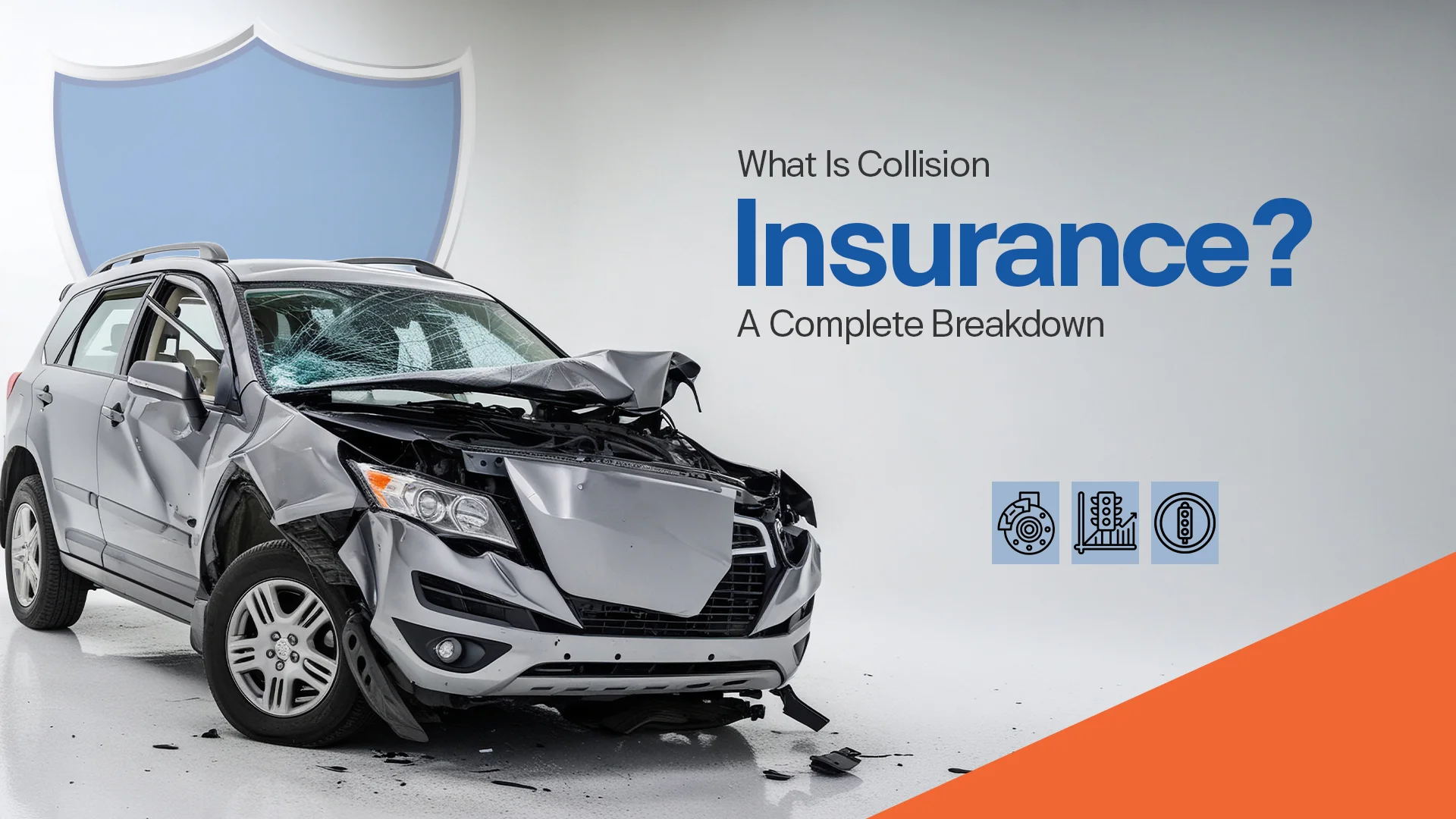
Collision insurance is insurance on the damage of your automobile in the case of an accident. Conversely, comprehensive insurance saves you against non-accident risks such as fire, theft, and disasters caused by nature.
Therefore, full insurance vs liability, it is obvious that full coverage is more comprehensive.
It is important to know the difference between liability and full coverage to allow you to make the right choice.
First, liability insurance only protects others. Full coverage gives protection to both. That alone creates a big gap in protection.
Second, cost plays a major role. Liability insurance costs much less. We have to pay more for full coverage because it includes extra layers of protection.
Third, risk exposure differs. With liability, you pay for your own damages. With full coverage, your insurer helps cover those costs.
So, if you want to know what is the difference between liability and full coverage, it really comes down to protection versus cost.
Now comes the real question: full coverage vs liability car insurance, which one should you choose?
The answer depends on your situation. If your car is older and not worth much, liability insurance might be enough. In that case, saving money on premiums makes sense. Many drivers prefer this option when comparing full coverage vs liability because they don’t want to overpay for limited value.
However, when your vehicle is new, costly, or financed, full coverage is usually a better bet. It guarantees your investment, and you have peace of mind.
Do you find yourself wondering, do I need full coverage on my car? Consider this: would you be able to afford to repair or replace your car yourself? In case the response to this is no, comprehensive coverage can be worthwhile.
Cost always matters. However, focusing only on price can lead to problems later.
Liability insurance costs less upfront. But have to pay more after the accident. Moreover, you have to pay for your repairs as well.
Full coverage costs more each month. Yet, it lowers your economic risk, particularly.
When comparing full insurance vs liability, always think long-term. Saving money today may cost you more tomorrow.
Let’s make this more practical.
Suppose you are in a car crash and you damaged your car severely.
When you just have liability insurance, your insurer will pay the other party. However, you will have to repair yourself.
Therefore, with full coverage, your insurance helps cover both sides. That means fewer expenses and less stress. This example tells us the importance of picking wisely between liability vs full coverage.
Your insurance may vary over time. Therefore, you also have to change your policy.
For example, start with full coverage when your car is new. In the future, when your car depreciates, you can also change the liability insurance.
This shift often happens when:
At that point, switching from full coverage vs liability car insurance becomes a practical financial decision.
Mistakes are made by many drivers when selecting insurance.
First, they are price-conscious. Although saving money is a good thing, it may backfire in an accident.
Secondly, they misconceive coverage. Some believe that full coverage entails all, and that is not necessarily the case.
Third, they are slow in changing their policy. As your needs evolve, so should your insurance.
By avoiding such errors, you can make a smarter decision as to whether to purchase liability car insurance vs full coverage.
We know that it could be confusing to select the correct insurance. This is why we are concentrating on making things simple for you.
Autoinsuranceshield offers simple-to-understand instructions, clear comparisons, and useful tips based on your needs, so you can relax and select the appropriate coverage without worrying, whether it is full coverage vs liability or searching among alternatives.
The question of liability vs full coverage is not a one-size-fits-all answer. You need to determine this based on the value of your car, budget, and risk-taking ability.
Take your time. Compare your options carefully. And the best of all, select a coverage that can make you confident each time you pull out the keys.
The right insurance is not only about saving money, in the end. It’s about protecting your future.
The difference between liability and full coverage lies in protection. Liability covers others, while full coverage protects both you and your vehicle.
If your car is new, financed, or valuable, then yes, you need full coverage. If it’s older and low in value, liability may be enough.
No, comprehensive insurance is not full coverage. It is just one part of a full coverage policy.
Yes, liability insurance costs less than full coverage. However, it offers limited protection compared to full coverage.
Yes, you can switch anytime. Many drivers do this when their car value decreases.