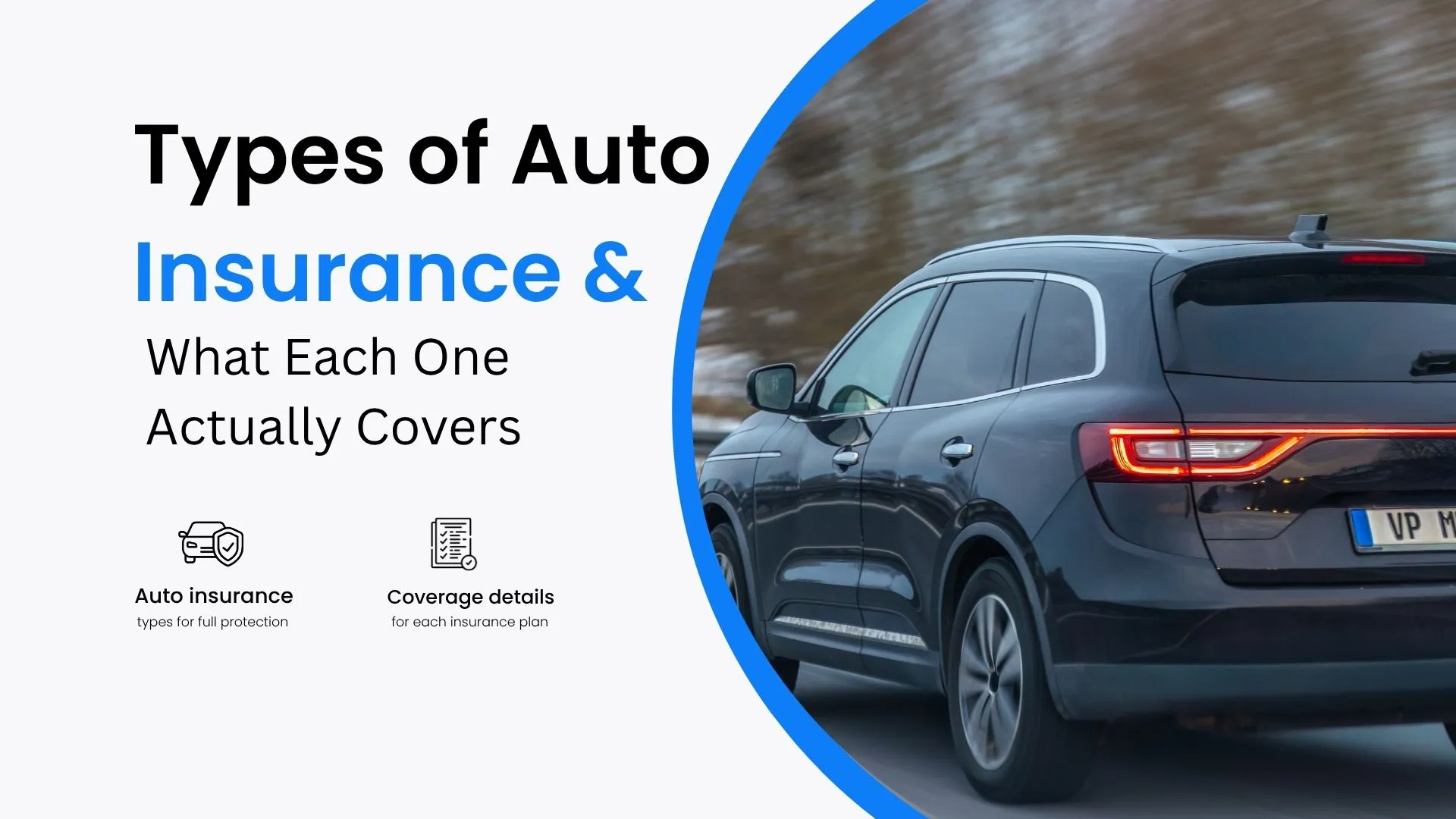
Buying car insurance looks simple at first. You choose a plan, pay the premium, and hit the road. However, once you start comparing policies, things can get confusing. You see different terms, coverage limits, exclusions, and pricing options. That is exactly why understanding the types of auto insurance matters most.
Not all the policies work the same. Some policies cover your car damage. Others protect you from medical bills, lawsuits, or repairs after an accident. Therefore, choosing the right coverage is not just about following the law. It is about protecting your finances, your car, and your peace of mind.
In this guide, we will break down the most important auto insurance coverage types, explain what each one covers, and help you understand which policy may fit your needs.
Every driver has different risks while driving. Some drive daily in heavy traffic. Others only use their car on weekends. Some own brand-new vehicles, while others drive older models.
Because of this, no one policy works for everyone.
Understanding different auto insurance types helps you avoid paying for coverage you do not need. At the same time, it helps you avoid dangerous coverage gaps that may cost you thousands later.
So, we will discuss the important types of car insurance coverage.
Liability insurance is one of the important car insurance policies. This is a must for drivers in many states.
This coverage helps pay for damage or injuries caused by you to others in an accident.
Liability insurance usually includes two parts:
However, this insurance does not cover your own vehicle repairs. That is an important detail many drivers don’t know.
If you want basic legal protection, this is one of the most important car insurance types.
Accidents happen quickly. One moment, you are driving normally. Next, you are dealing with repairs.
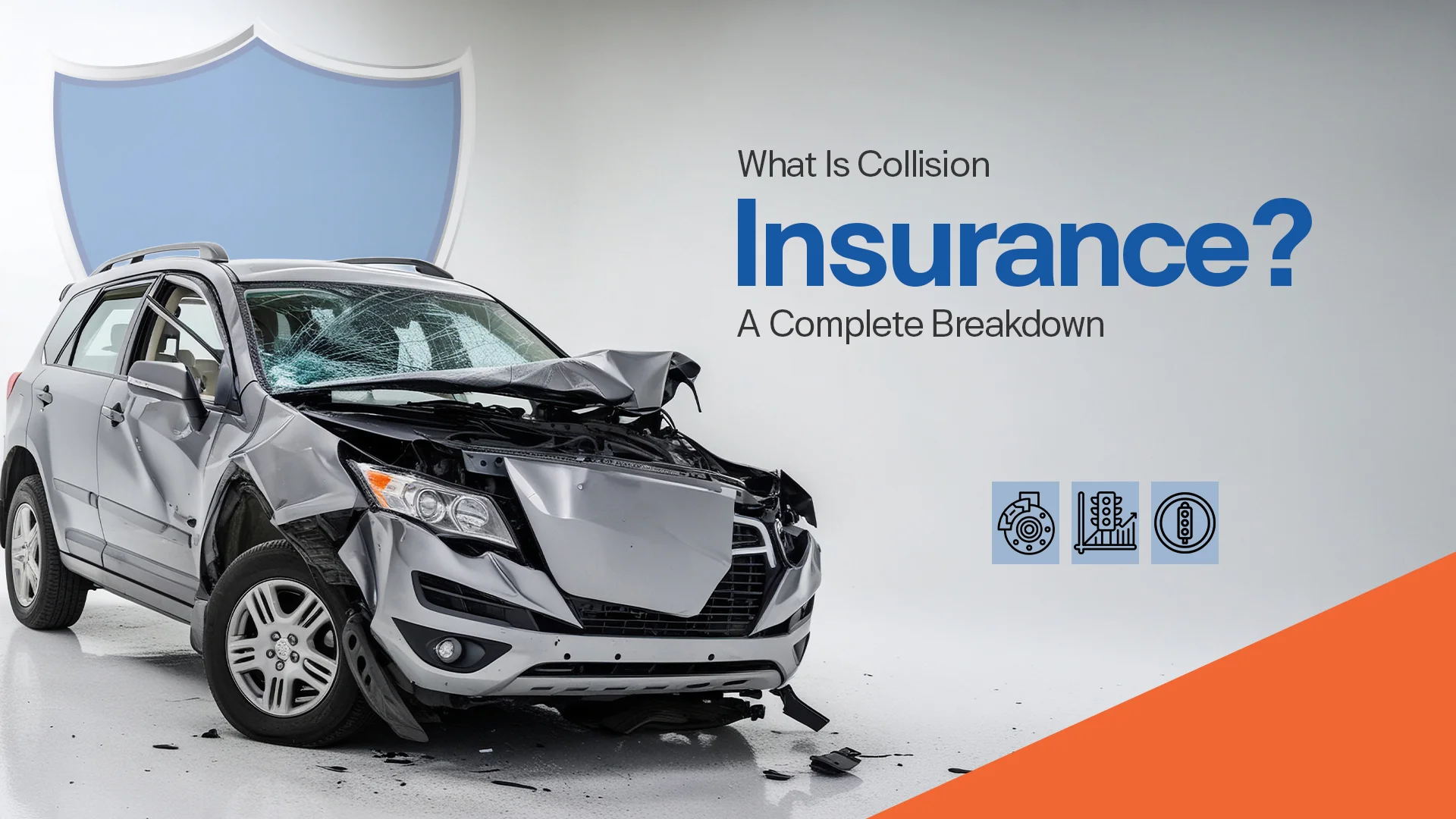
Collision insurance covers repair expenses for your vehicle after an accident occurs. In case you hit another car, a pole, a wall, or even a pothole, this insurance covers damages. Collision insurance is useful if you have a new car or if it is financed.
Without collision insurance, you may need to pay repair costs yourself.
Among all types of vehicle insurance, collision coverage offers strong protection for your own car after a road accident.
Not every car claim comes from a crash. Sometimes nature causes damage, and sometimes a car is stolen by a thief. Often, unexpected events change everything.
Comprehensive insurance protects your vehicle from non-collision events.
It commonly covers:
If your parked car is hit by a falling branch, comprehensive coverage may help pay for the damage. When comparing car insurance options, many drivers pair comprehensive and collision coverage together for complete protection.
You have to pay more for medical bills after an accident. Personal Injury Protection, often called PIP, helps cover the hospital expenses. It may also cover rehabilitation costs, lost income, and essential services.
For example, if injuries prevent you from working for weeks, PIP may help replace part of your income. In some states, this coverage is mandatory, and in others it is optional
Among modern auto insurance coverage types, PIP provides valuable financial support after injuries.
Medical Payments Coverage works in a similar way to PIP. However, it usually focuses only on medical expenses. This coverage may help pay for:
Doctor visits, ambulance fees, surgery, hospital stays, and expenses for the funeral. Unlike health insurance, this coverage often pays quickly without complicated approvals.
That makes it a smart addition to many types of auto insurance policies.
Not all the drivers on the road carry sufficient insurance. Some drivers don’t have any insurance.
That creates serious financial risks. Uninsured motorist coverage protects you in case the other driver has no insurance and causes an accident.
Underinsured motorist coverage provides support if the other driver’s policy cannot fully pay for your losses. It also helps pay for medical bills, lost wages, and, in some cases, vehicle repairs. When reviewing auto insurance types, many experts strongly recommend this protection.
Cars can lose value faster than you pay off your loan. If your vehicle is totaled or stolen, your insurance may only cover its current market value, which could be less than your remaining loan balance. For example, your car may be worth $20,000 while you still owe $25,000 on the loan. Gap insurance can help cover that $5,000 difference and reduce out-of-pocket costs.
This coverage is especially useful for leased vehicles or recently financed cars.
After an accident, life does not pause. You still need to commute, run errands, and manage daily responsibilities.
So, this coverage helps you afford a temporary rental car while your car gets fixed. Although optional, this coverage adds convenience and reduces stress.
Many drivers include it while comparing different types of car insurance.
Accidents happen when you least expect them. A flat tire, dead battery, or empty fuel tank can leave you stuck on the road. This coverage helps drivers with towing, jump-starts, tire changes, lockout help, and emergency fuel delivery. While it may seem minor, it can save time, money, and frustration.
Choosing from multiple car insurance options can feel confusing. However, the process becomes easier when you focus on your real needs.
Think about your vehicle’s value. Consider your driving habits. Review your financial situation. Also, check state insurance requirements.
Ask yourself:
Do you drive daily?
Is your car financed?
Could you afford major repairs yourself?
Do you have enough savings for emergencies?
Your answers will guide the right coverage choices.
Understanding how auto insurance, liability, comprehensive, and collision coverage work can help drivers make better insurance decisions after an accident. Their safety-focused guidance highlights the importance of choosing coverage that not only meets legal requirements but also provides strong financial protection when unexpected road incidents happen.
Finding the right car insurance should not be stressful. That is exactly what we aim to deliver. Moreover, our team helps drivers understand their coverage options without any confusion or hidden surprises. We take the time to learn about your vehicle, your driving habits, and your budget so we can help you find protection that truly fits your needs. Whether you need basic liability coverage, full protection for a new vehicle, or additional coverage for peace of mind, we guide you through every step. With transparent advice, competitive policy options, responsive customer support, and a commitment to long-term value, we make insurance decisions easier, smarter, and more confident.
Understanding the different types of vehicle insurance gives you more control over your financial future. Most importantly, it helps you feel more secure on every drive.
Instead of selecting the most affordable plan, choose the smartest one.
When accidents happen, having the right coverage can protect what matters most.
The most common types of auto insurance include liability insurance, collision coverage, comprehensive coverage, personal injury protection, medical payments coverage, and uninsured motorist coverage. Each type serves a different purpose. Some protect your vehicle, while others help cover medical expenses, legal claims, or damage caused by other drivers.
The right coverage depends on several factors, including your vehicle’s age, its market value, your driving habits, your location, and your financial situation. If you drive frequently or own a newer vehicle, broader protection may make sense. On the other hand, older vehicles may only need essential coverage. Reviewing your risks carefully helps you choose the right policy.
Liability insurance helps cover injuries or property damage you cause to others, and it may satisfy legal requirements in many states. However, it does not pay for damage to your own vehicle. If you want stronger financial protection, many drivers add collision and comprehensive coverage to their policy.
Collision insurance covers damage to your vehicle after an accident involving another car, an object, or a rollover. Comprehensive insurance covers non-collision events such as theft, vandalism, fire, hail, flooding, or falling objects. Many drivers choose both for broader protection.
Yes, most insurance providers allow you to customize your policy based on your needs. You can combine different car insurance options such as liability, medical coverage, roadside assistance, rental reimbursement, and more. This flexibility helps you build coverage that matches both your lifestyle and your budget.