Car accidents can happen at any time. Even careful drivers face unexpected situations on the road. A single collision may leave you with expensive repair bills that can affect your budget. This is where collision insurance becomes useful. It helps pay for repairs to your vehicle after an accident, regardless of who caused it. As a result, you can recover financially much faster. However, many drivers still ask what collision insurance is and whether they really need it. This guide explains everything in simple terms. It also helps you decide if this coverage is the right choice for your driving needs.
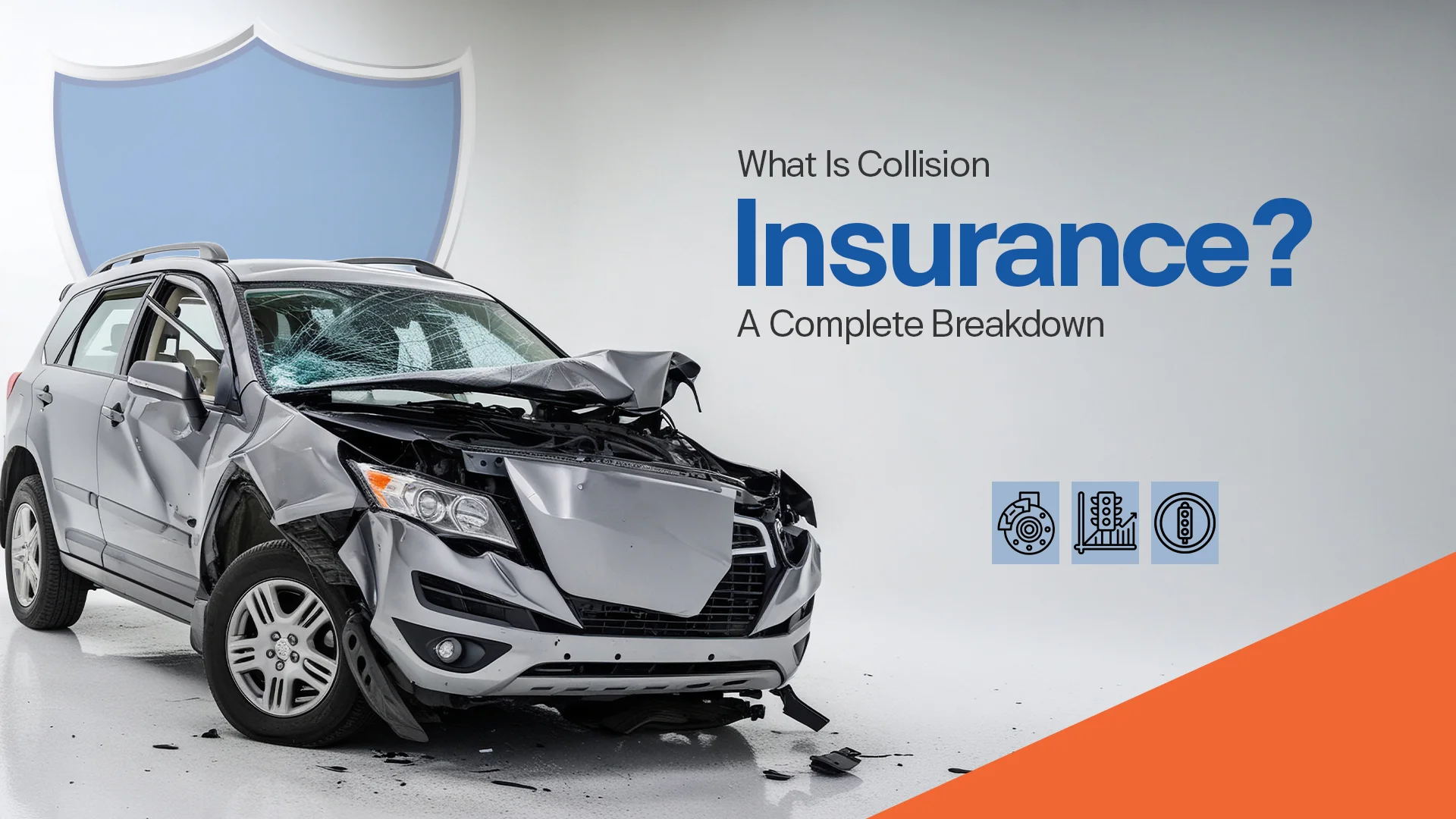
Collision insurance covers damage to your own car that occurs when it collides with another car or object. You may be involved in a crash with a guardrail, fence, or other motor vehicle, and your insurance company will cover the damages once you have a deductible. This coverage is not like a liability policy, which covers property damage and injuries to others, but it is one that is for the protection of your own vehicle. So, it affords an additional layer of monetary protection. This is particularly beneficial when a car is in good condition and has a high value in the marketplace or high repair bills.
You want to know what your policy covers so that you don’t get any shocks later. Collision coverage typically covers damage resulting from an accident with your car. It typically covers situations like:
However, it does not apply to theft, vandalism, flooding, fire, or hail. Those risks typically would be covered by the comprehensive insurance section. It’s always best to check your policy details before purchasing coverage for this reason.
Claiming collision auto insurance is a simple procedure. If the incident is an accident, you report it to your insurance provider. The next step involves a vehicle inspection by an adjuster to arrive at the estimate for the repair. When covered, the insurance company will cover the damages after deducting the policyholder’s deductible. For instance, if you have a deductible of $500 and the repair job requires $4,000, the insurance provider would pay the remaining amount, and you would pay the deductible. This will lower your financial burden. In turn, you will be able to fix or replace your vehicle with no out-of-pocket expense to you.
There are more than a few drivers who mix up the various types of car insurance. Then, what does collision coverage of your car insurance do? It is not a required coverage but a coverage that will protect you in a collision with your own vehicle.
While not typically required by law, lenders do require it when financing or leasing a vehicle. Additionally, it provides peace of mind since accidents can take place without warning. Repair bills can quickly become overwhelming. This coverage means you won’t face high deductibles or high out-of-pocket costs and will be able to hit the road again early. This is a crucial option for many vehicle owners.
There are multiple factors to consider. Insurance companies assess your risk profile before they decide on premiums.
Some of the common factors that can impact pricing are:
In general, more recent and expensive cars are more expensive to insure. But going with a higher deductible can reduce premiums. You can also get better quotes by comparing quotes from various insurance companies.
How useful auto collision coverage is depends on your car and finances. This coverage can help you save thousands of dollars if you don’t have a collision, but your car is new, or you have a high resale value. It is also a good choice when you don’t have the cash for significant repair costs. However, those with older vehicles that don’t have high market value can choose not to accept the premium since the payout is not worth it. Still, it’s worthwhile to check on your car’s worth and your finances first to make a wise choice
We think insurance is easy to understand. We are here to give you information that is clear, accurate, and useful to you in making decisions. Moreover, we avoid using difficult words from the industry but try to explain each topic in simple terms. Furthermore, our material contains real-world scenarios that drivers encounter daily. If you wish to know more about collision insurance, you want to compare collision insurance coverage options, or you want to learn how collision insurance works, we’re here to provide you with valuable and reader-friendly information you can trust
Knowing what collision insurance is will allow you to make better financial choices. No one wants to have an accident; however, if an accident happens, you don’t want to have to deal with expensive repair costs and unnecessary stress. If you have a newer or financed vehicle, collision auto insurance can be a good peace of mind in case of a collision. Do some research on various insurance companies, check your deductible, and take into account your vehicle’s worth before buying a policy. If you select the right auto collision coverage, you can have more peace of mind when driving, knowing you are covered if an accident occurs unexpectedly.
The cost of collision insurance varies based on factors such as your vehicle, driving history, location, age, and deductible amount. Drivers with newer or higher-value vehicles typically pay more, while choosing a higher deductible can help lower monthly premiums.
Yes. Generally, it covers damage when your vehicle hits a tree, pole, guardrail, or another object. You must first pay your deductible before the insurer covers the remaining approved repair costs.
Collision insurance covers damage from crashes involving your vehicle. Comprehensive insurance covers non-collision events, such as theft, vandalism, fire, hail, flooding, or damage caused by falling objects and certain natural disasters.
It depends on your vehicle’s market value and your financial situation. If repair costs could exceed the car’s value, you may decide to drop the coverage after carefully reviewing your options.
Yes. Most insurance companies allow you to choose your deductible. A higher deductible usually lowers your premium, while a lower deductible increases your premium but reduces your out-of-pocket expense after a covered accident.